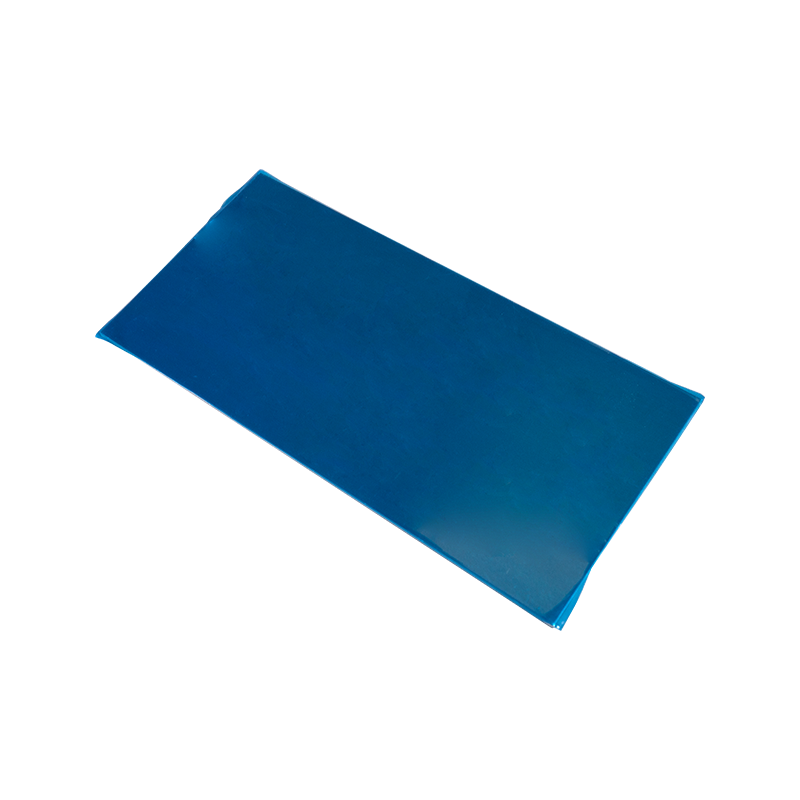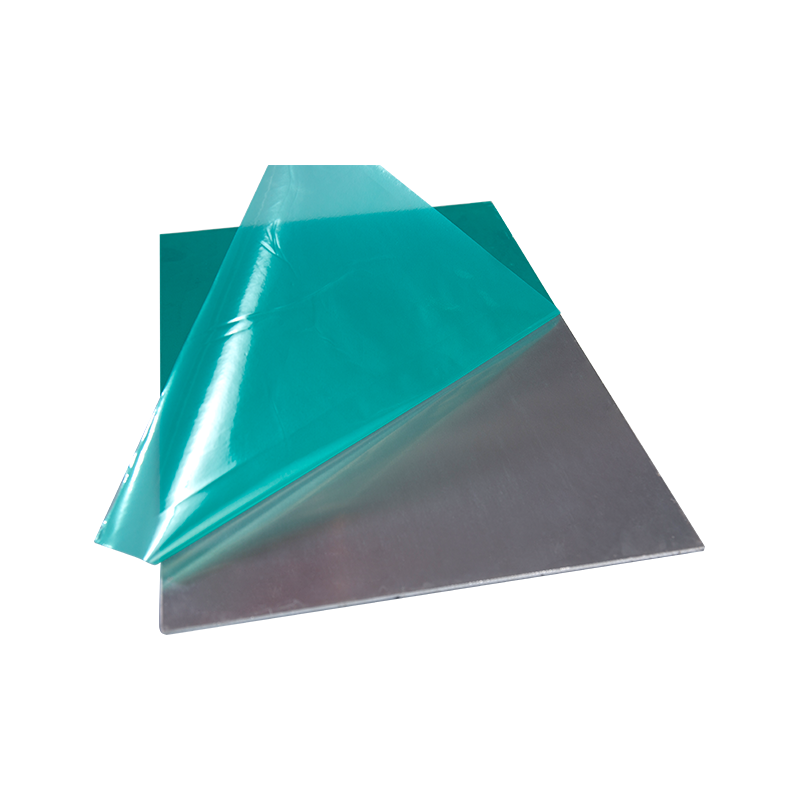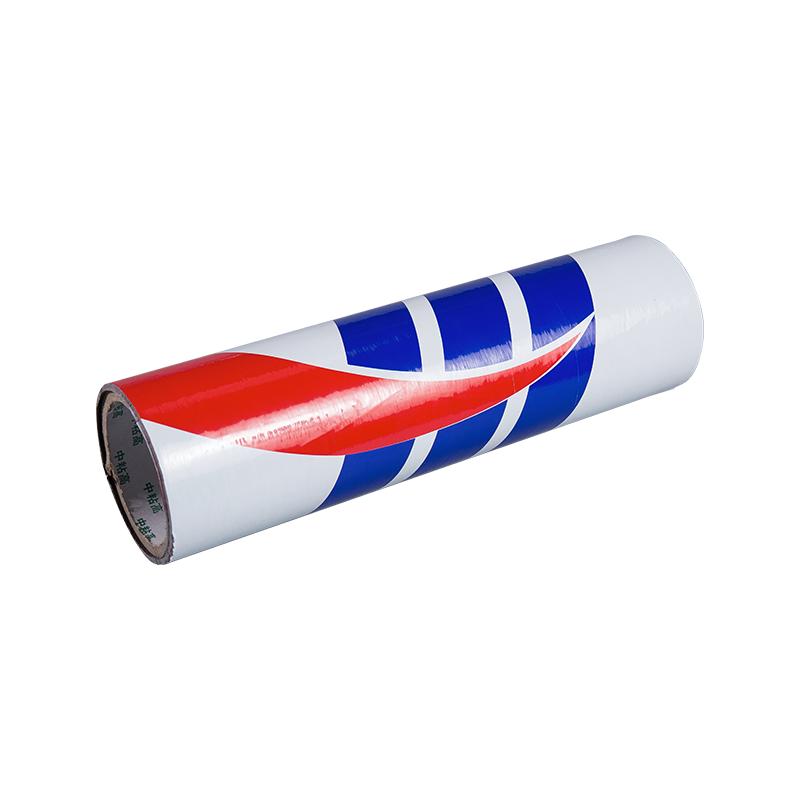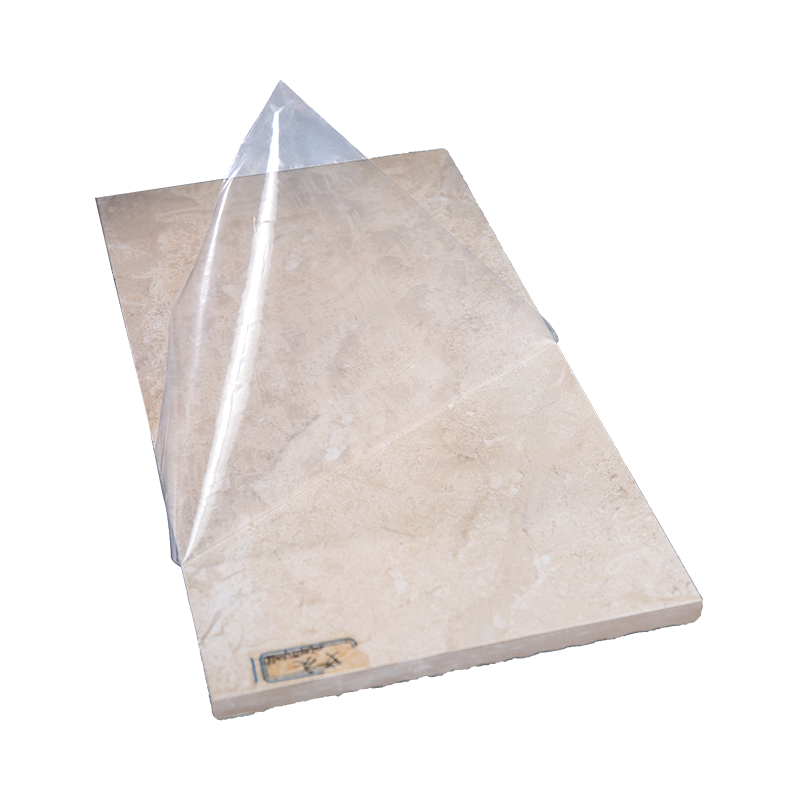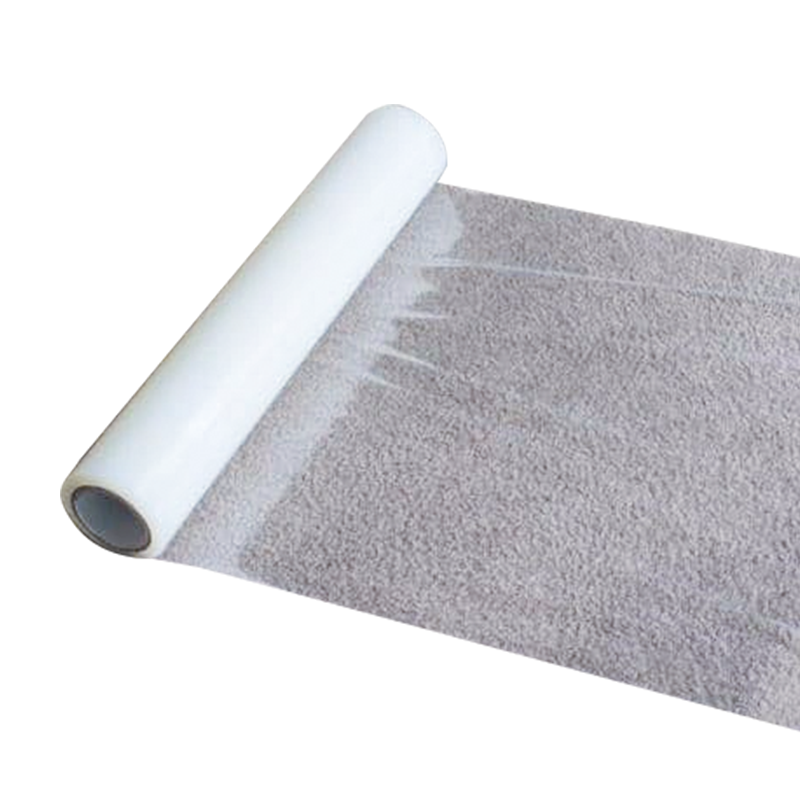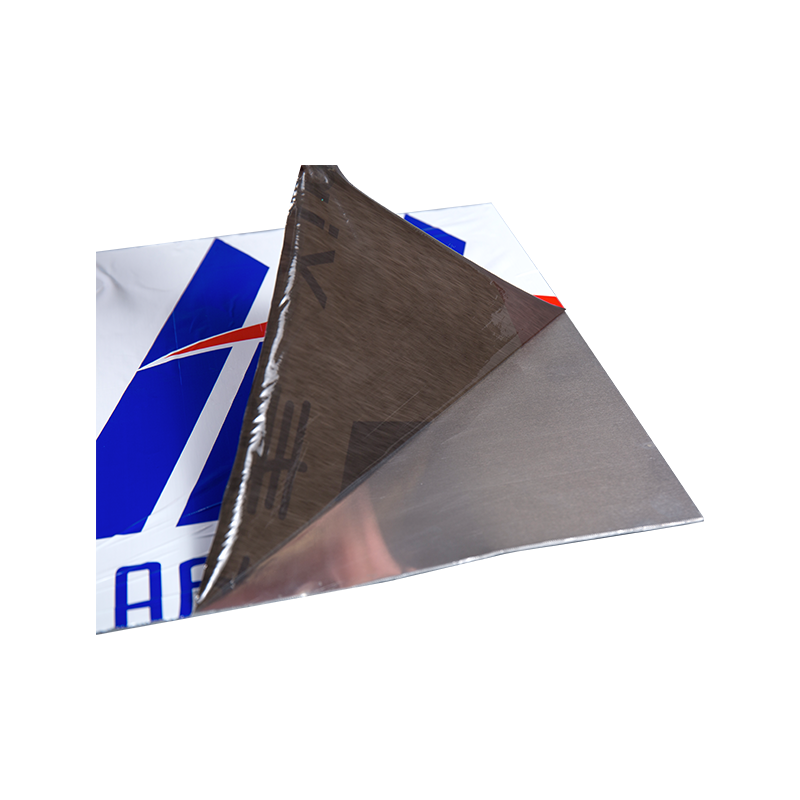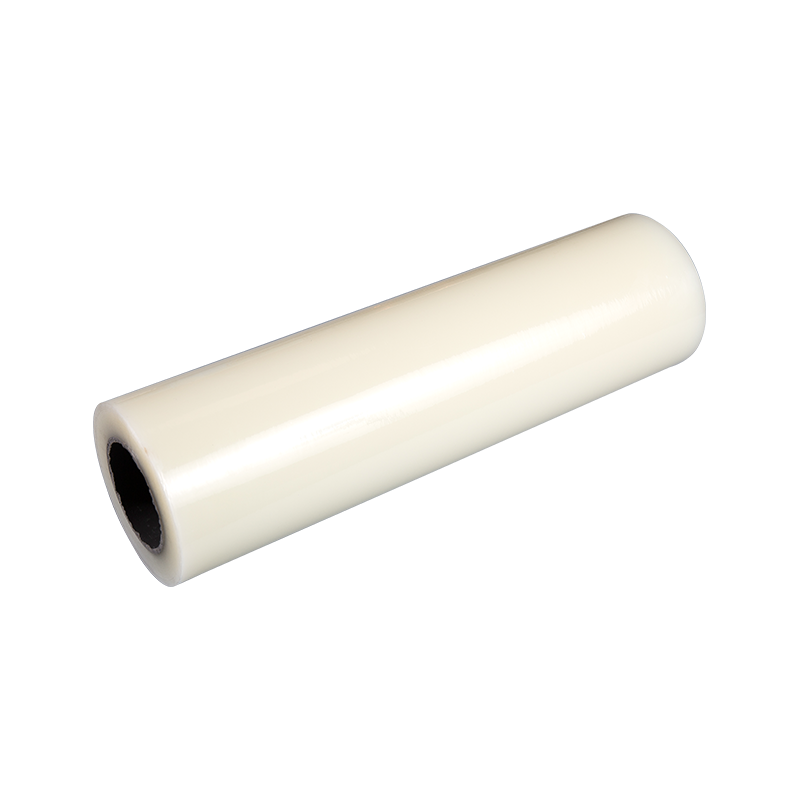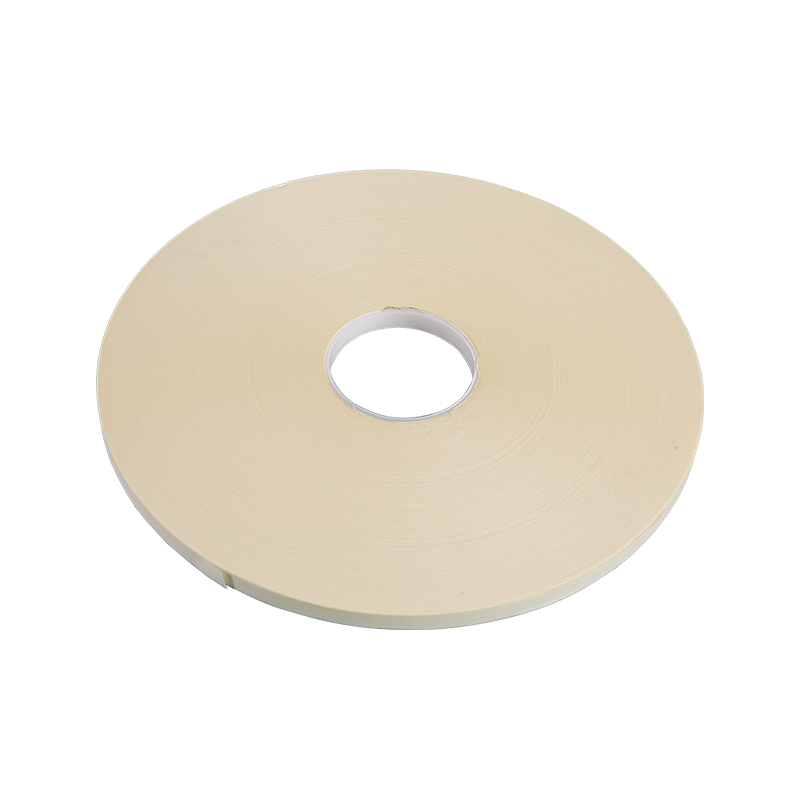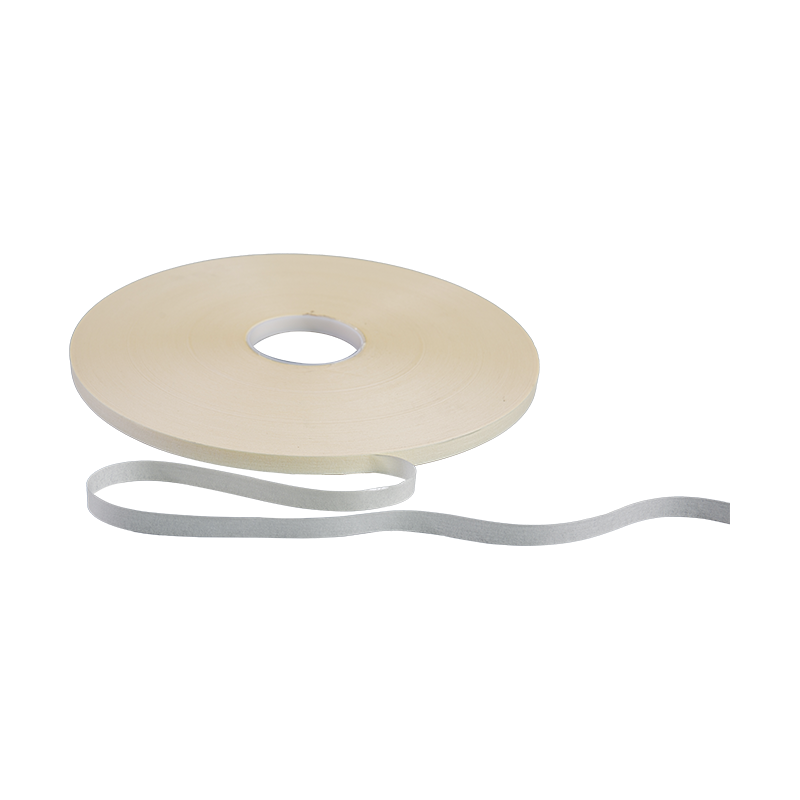
Stainless steel surfaces are highly reflective and smooth, making them susceptible to the accumulation of dirt, dust, and fingerprints. During transportation , handling , and installation , these surfaces can quickly become contaminated, compromising both their cleanliness and visual appeal . Stainless Steel Protective Film serves as an effective shield that prevents these contaminants from coming into direct contact with the metal. The film creates a barrier that ensures the surface remains pristine, even in environments with high traffic or industrial settings where the material is frequently touched. This protective layer also helps reduce the frequency of cleaning , as it prevents dirt and particles from embedding into the surface, which would otherwise require extra effort to remove.
The film's smooth surface ensures that any dirt or debris that may settle on the film itself can be easily wiped off, without impacting the appearance of the underlying stainless steel. This results in reduced maintenance costs and improved aesthetic longevity , ensuring the stainless steel looks brand new for much longer.
One of the most common challenges faced with stainless steel is its susceptibility to fingerprints and smudges , particularly on highly polished or reflective surfaces. These smudges, often composed of oils and residues from skin contact, can make the surface look unsightly and require frequent cleaning. The Stainless Steel Protective Film helps to prevent these issues by providing a smooth surface that repels oils , moisture , and other residues , which are the main culprits behind smudges and fingerprints.
By creating a temporary but effective barrier , the protective film ensures that fingerprints do not adhere to the surface, making the stainless steel easier to maintain. This is particularly valuable in high-touch environments , such as in kitchens , elevators , furniture , or showrooms , where stainless steel surfaces are exposed to frequent handling. The film’s protective properties allow for a cleaner, more visually appealing surface, reducing the need for constant cleaning or polishing, which can wear down the stainless steel over time.
While stainless steel is known for its resistance to corrosion, it can still be vulnerable to stains and corrosion when exposed to certain harsh chemicals , abrasive cleaners , or moisture . Stainless Steel Protective Film provides an additional layer of defense by acting as a barrier that prevents corrosive agents from coming into direct contact with the metal. Whether the surface is exposed to acidic substances , grease , or salty air , the film protects the stainless steel from chemical reactions that could potentially cause staining or surface degradation .
For example, in industrial environments where strong cleaning agents or chemicals are used, the protective film absorbs the impact of such substances, preventing them from etching or disfiguring the stainless steel. This protection extends the material lifespan , preserving both the functional integrity and aesthetic appeal of the surface over time. The film is particularly beneficial for marine environments , kitchens , or chemical manufacturing areas , where exposure to moisture, salts, or acidic liquids is common.
Stainless steel is known for its strength, but it is still prone to scratches , abrasions , and dents —especially during handling or installation. Stainless Steel Protective Film helps to minimize these risks by providing a protective layer that absorbs the impact of physical contact or friction during transport, handling, or installation. The film serves as a buffer between the stainless steel and external objects, such as tools, equipment, or other materials that could cause surface damage .
This protection is particularly important for stainless steel panels or sheets used in construction , architecture , or appliance manufacturing , where materials are often handled multiple times before installation. By preventing micro-scratches or surface abrasions, the film ensures that the final aesthetic appearance remains flawless , reducing the need for post-installation polishing or surface restoration .
During transportation or installation , stainless steel is vulnerable to physical damage from scratches , dents , or marks caused by handling, shifting, or friction against other materials. Stainless Steel Protective Film acts as a protective shield throughout these processes, preventing direct contact between the surface and any potential damaging objects. It safeguards the finish of the stainless steel, ensuring that it remains clean and unscathed until it reaches its final destination.
This is especially beneficial for high-end architectural applications, such as cladding or decorative panels , where maintaining the pristine appearance of the material is critical to both aesthetic value and functional performance . With the film in place, installers can handle the material without the concern of scratching or denting the stainless steel, preserving its appearance and structural integrity until installation is complete.

Copyright © Wuxi Wanfeng Protective Film Co., Ltd. All Rights Reserved.